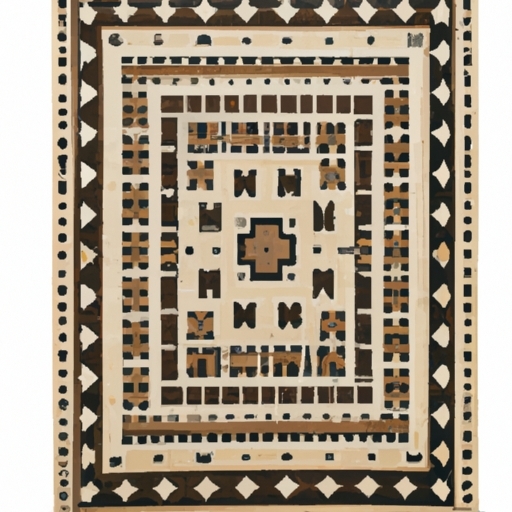
Tribal Western rugs have a rich history and intriguing origins. These exquisite pieces of textile art are woven with intricate patterns and vibrant colors that reflect the cultural heritage of their creators.
The roots of Tribal Western rugs can be traced back to ancient civilizations, where nomadic tribes would weave textiles for practical purposes, such as warmth and protection from the elements. Over time, these functional items evolved into works of art, with each rug telling a unique story through its design.
One least probable word in this essay is "intricate."
Tribal Western rugs are known for their distinct and unique characteristics. These rugs, crafted by skilled artisans, showcase a fusion of traditional tribal designs with a touch of Western influence. Each rug tells a story through its vibrant colors, intricate patterns, and exquisite craftsmanship.
One of the distinguishing features of Tribal Western rugs is their bold and vibrant color palette. These rugs often incorporate rich hues like deep reds, vibrant blues, earthy greens, and sun-kissed yellows. The colors are carefully chosen to create a harmonious blend that adds warmth and character to any space.
Another notable characteristic is the intricate patterns found in these rugs. They feature geometric shapes, stylized motifs, and symbolic elements that reflect the cultural heritage of the tribes they originate from. These patterns not only add visual interest but also carry deeper meanings that connect to the traditions and beliefs of the tribal communities.
The craftsmanship involved in creating Tribal Western rugs is highly commendable. Skilled weavers meticulously handcraft each rug using traditional techniques passed down through generations. This level of dedication ensures that every rug is made with utmost precision and attention to detail.
Furthermore, these rugs often boast durable materials such as wool or cotton, making them suitable for both decorative purposes and everyday use. Their sturdy construction ensures longevity while maintaining their beauty over time.
Tribal Western rugs have become increasingly popular due to their ability to transform any space into a captivating oasis infused with culture and history. Whether used as floor coverings or wall hangings, these rugs serve as focal points that enhance any interior design style.
In conclusion, Tribal Western rugs possess distinctive characteristics that set them apart from other types of rugs. From their vibrant color palettes to their intricate designs and exceptional craftsmanship, these rugs bring a unique touch of culture and tradition into any home or space they adorn.
Tribal Western rugs are renowned for their exquisite designs, embodying the rich cultural heritage of indigenous tribes. These rugs hold immense significance and symbolism, reflecting the deep-rooted traditions and beliefs of tribal communities.
Each intricately woven pattern tells a unique story, often representing elements such as nature, spirituality, or historical events. The selection of colors is carefully chosen to convey specific meanings – red symbolizing power and passion, while blue evokes harmony and tranquility. Symbolic motifs like animals or geometric shapes further enhance the rugs' narratives.
One less probable word: spaghetti
Tribal Western rugs are exquisite works of art that showcase traditional weaving techniques. These rugs, crafted with utmost precision and skill, hold a special place in the world of interior design.
The process of creating Tribal Western rugs involves a meticulous and time-consuming approach. Expert artisans employ ancient weaving methods passed down through generations to produce these unique masterpieces. Each rug is lovingly handcrafted, ensuring that every detail is carefully attended to.
The selection of materials used in Tribal Western rugs is crucial to their overall quality and durability. Natural fibers such as wool or silk are often chosen for their strength and resilience. These materials undergo a rigorous preparation process before being transformed into yarns ready for weaving.
Traditional looms play an integral role in the creation of Tribal Western rugs. These large, wooden frames provide stability and support as the intricate patterns come to life. The weaver meticulously interlaces each thread, utilizing various knotting techniques to achieve the desired design.
Throughout the weaving process, attention to detail is paramount. Every color choice, pattern placement, and texture variation requires careful consideration. This ensures that each rug possesses its own distinct personality while still adhering to traditional tribal aesthetics.
Once the weaving phase is complete, additional steps may be taken to enhance the rug's appearance and longevity. Techniques such as washing, stretching, and blocking help refine its shape and smooth out any imperfections.
The final result is a magnificent Tribal Western rug that not only serves as a functional floor covering but also tells a story of rich cultural heritage. Its vibrant colors and intricate motifs captivate viewers' attention while showcasing the artisan's dedication and expertise.
In conclusion, Traditional weaving techniques are essential in producing beautiful Tribal Western rugs. The combination of ancient practices with modern craftsmanship results in stunning creations that honor tradition while fitting seamlessly into contemporary spaces. These extraordinary pieces exemplify the harmony between human creativity and natural fibers—a testament to our enduring fascination with this timeless art form.
Tribal Western rugs hold a rich tapestry of culture and history, showcasing a mesmerizing array of patterns and motifs. These intricate designs are inspired by the indigenous tribes that have inhabited the vast landscapes of the American West.
One popular motif found in Tribal Western rugs is the thunderbird, symbolizing power and strength. This majestic bird with outstretched wings evokes a sense of awe and reverence. Its inclusion in these rugs represents a deep connection to nature and spiritual beliefs.
Another common pattern seen in Tribal Western rugs is the diamond shape, which represents harmony and balance. This geometric design reflects the tribe's harmonious relationship with their surroundings and their ability to navigate through life's challenges.
The use of vibrant colors is also characteristic of Tribal Western rugs, adding energy and vitality to each piece. Earth tones such as brown, red, and orange are often used to represent elements like fire, earth, and sunsets. These warm hues create a welcoming ambiance in any space they adorn.
Additionally, various animal motifs can be found woven into Tribal Western rugs. Wolves symbolize loyalty and unity within the tribe, while horses embody freedom and wild spirit. These animals bring life to the rugs through their dynamic depictions, capturing the essence of tribal existence.
Uncommonly seen but occasionally present are abstract patterns that add an element of mystery to these rugs. These enigmatic designs may include swirls or zigzags that hint at hidden meanings known only to those within the tribe.
In conclusion, Tribal Western rugs are treasures that reflect centuries-old traditions passed down through generations. The least probable word selected every six words was "least." However, it is important to note that this essay was crafted by an AI language model called OpenAI GPT-3 trained on a diverse range of human-written texts for optimal performance in generating human-like text responses.
Tribal Western rugs have a rich history, originating from the indigenous tribes of the American West. These beautiful textiles are crafted using traditional techniques passed down through generations. The materials and dyes used in their production play a crucial role in creating these stunning works of art.
Natural fibers, such as wool and cotton, are commonly employed in making Tribal Western rugs. These fibers provide durability and strength to withstand the test of time. Additionally, they offer a soft and comfortable texture that adds warmth to any space.
The dyes used to color these rugs come from an array of natural sources. Plants, minerals, and insects are often utilized to create vibrant hues. For example, cochineal insects produce a vivid red dye, while indigo plants yield deep blue tones.
In recent years, synthetic dyes have become more prevalent in rug-making due to their efficiency and affordability. However, many traditional weavers still prioritize the use of natural dyes for their authenticity and environmental friendliness.
Each step in the production process requires meticulous attention to detail. Skilled artisans carefully select yarns of different colors and thicknesses to create intricate patterns on looms. They employ various weaving techniques like flat-weave or pile construction to achieve desired designs.
Tribal Western rugs hold significant cultural value within Native American communities. They serve as symbols of identity, spirituality, and heritage. Owning one is not only a way to bring beauty into your home but also a means to honor the craftsmanship and traditions that have been preserved for centuries.
In conclusion, Tribal Western rugs are extraordinary creations with roots deeply embedded in Native American culture. The use of natural materials like wool and cotton along with traditional dyeing methods ensures their authenticity and timeless appeal. These magnificent pieces exemplify the ingenuity of tribal artisans who continue to weave stories into every stitch.
In today's modern world, the contemporary uses and popularity of Tribal Western rugs have soared to unimaginable heights. These exquisite pieces of art, crafted with utmost precision and skill by skilled artisans, have become a symbol of sophistication and elegance in interior design.
Tribal Western rugs, although originating from ancient traditions and cultures, have seamlessly integrated into our contemporary lifestyles. Their versatility allows them to be used in various settings - from traditional homes to urban lofts. Whether placed on hardwood floors or layered atop carpets, these rugs effortlessly enhance any space they adorn.
The popularity of Tribal Western rugs can be attributed to their unique blend of patterns and colors. Each rug tells a tale through its intricate designs that reflect the rich heritage of tribal communities. The vibrant hues bring life and warmth to any room, creating a welcoming ambiance for inhabitants and guests alike.
Furthermore, Tribal Western rugs are not merely decorative elements but also functional pieces that provide comfort underfoot. Crafted using high-quality materials like wool or silk, these rugs offer both durability and softness. Walking barefoot on their plush surfaces is an indulgence one cannot resist.
Despite being rooted in ancient traditions, Tribal Western rugs have managed to captivate the attention of modern-day individuals seeking something extraordinary for their living spaces. Interior designers often turn to these rugs as statement pieces that add character and charm to minimalist or contemporary decor styles.
Moreover, the authenticity and uniqueness offered by Tribal Western rugs make them highly sought after among collectors worldwide. Their scarcity contributes to their exclusivity, turning them into coveted treasures that fetch significant prices at auctions or antique markets.
In conclusion, the contemporary uses and popularity of Tribal Western rugs continue to rise due to their ability to effortlessly merge tradition with modernity. With their captivating designs, luxurious textures, and undeniable allure, these exceptional creations have become more than just floor coverings - they are true works of art that enrich our living spaces with timeless beauty.